



Bandung, UPI
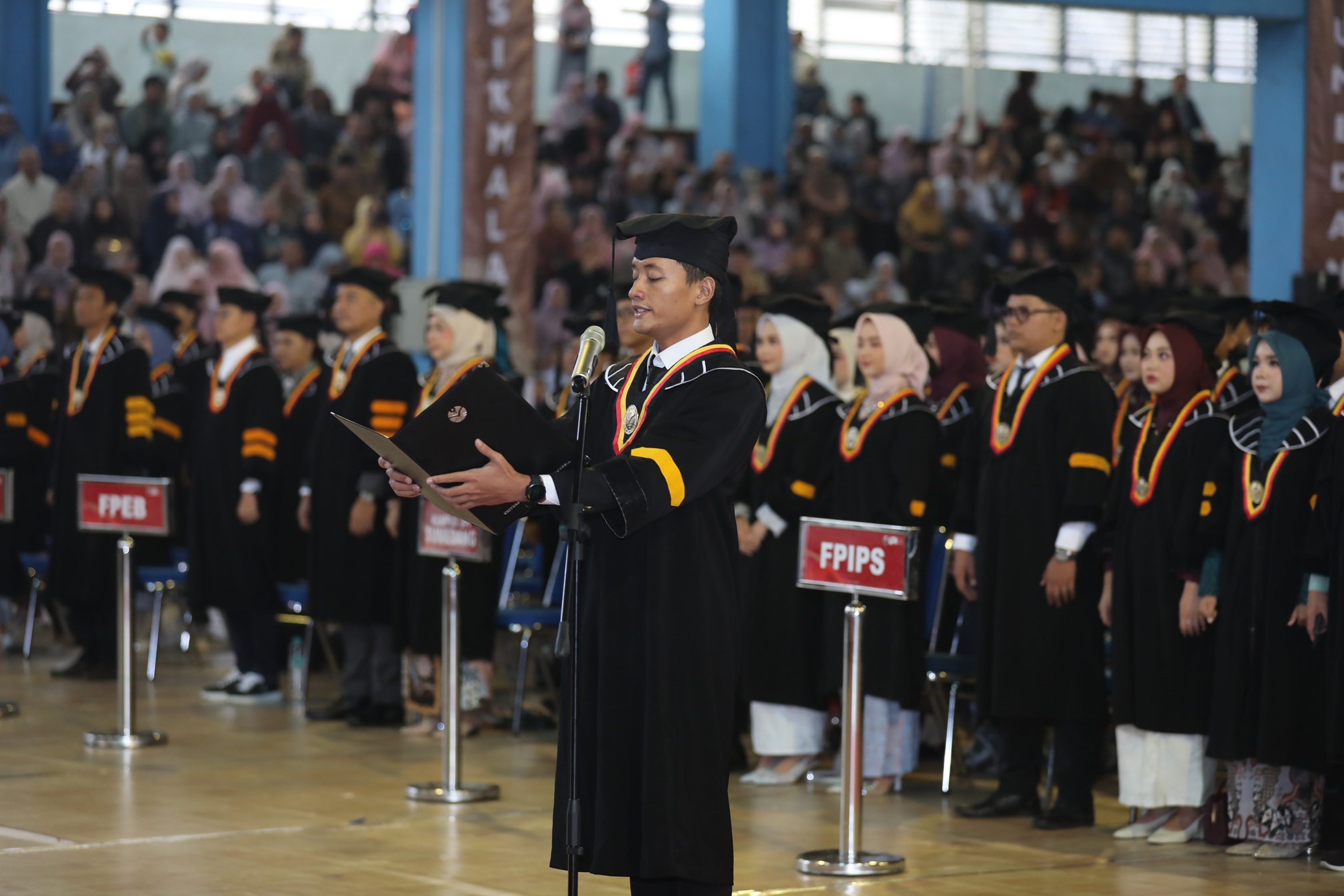
Universitas Pendidikan Indonesia (UPI) marked a significant milestone in its academic journey by introducing a fully digital diploma system during its first 2026 graduation ceremony, held at the UPI Gymnasium on Jl. Dr. Setiabudhi No. 229, Bandung, on Tuesday (Feb. 10).
The event not only celebrated academic achievement but also reflected the university’s commitment to digital transformation through the implementation of QR-code-verified diplomas, alongside the distribution of scholarships to eligible students.
Approximately 697 graduates from Diploma, Bachelor’s (S1), Master’s (S2), and Doctoral (S3) programs participated in the ceremony. The February schedule was intentionally arranged to allow graduates and their families to celebrate more comfortably ahead of the month of Ramadan, creating a more inclusive and family-oriented atmosphere.
UPI Rector Prof. Didi Sukyadi, M.A., stated that starting in 2026, the university will no longer issue physical diplomas. This policy aligns with efforts to enhance efficiency, strengthen data security, and support environmentally friendly practices through paperless systems.
The digital diploma system is equipped with secure Digital Certification in collaboration with Balai Sertifikasi Elektronik, enabling instant verification through QR codes. As a result, graduates can independently access and use their diplomas without the need for additional legalization, as the documents are already verified and legally valid.
“This policy allows graduates to access their academic documents more quickly for professional and administrative purposes, while also ensuring data security,” he explained.
In addition to this innovation, the ceremony also highlighted UPI’s commitment to social responsibility through the distribution of the Genius Scholarship from the West Java Provincial Government, with a total allocation of Rp2.1 billion. The program supports high-achieving students from West Java who face financial challenges, contributing to the development of human resources in the region.
This initiative reflects UPI’s ongoing efforts to adapt to technological advancements while maintaining its commitment to accessible and sustainable education. It is also in line with the Sustainable Development Goals (SDGs), particularly SDG 4 (Quality Education) and SDG 13 (Climate Action), through the promotion of inclusive education and environmentally responsible practices. (Rija/DN)