



Serang, UPI
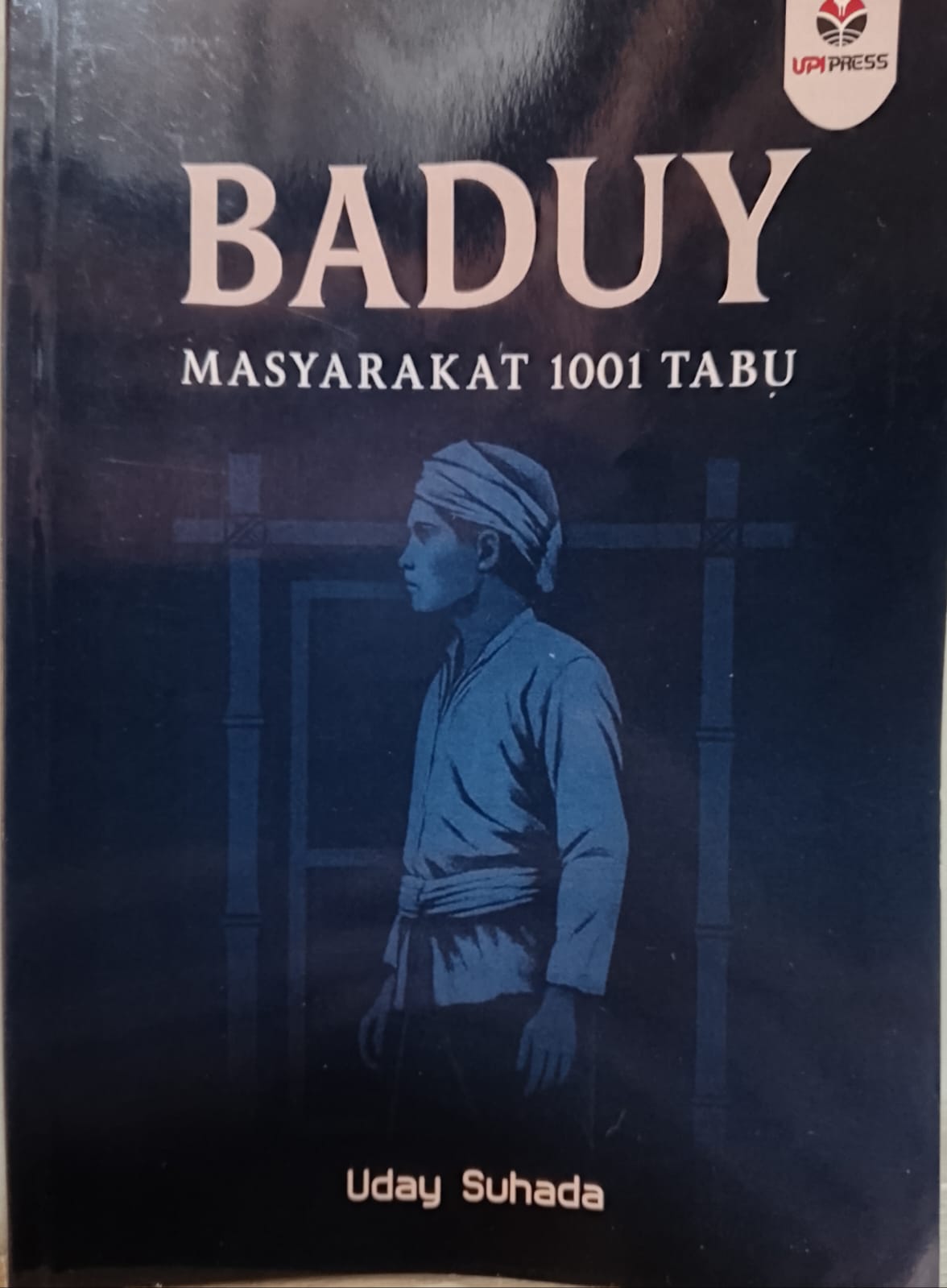
Universitas Pendidikan Indonesia (UPI) held a scholarly book discussion titled “Baduy: Masyarakat 1001 Tabu” on Thursday, February 12, 2026, at Hotel Horison TC UPI, Serang. The forum served as an academic platform to critically examine a work that explores the life, traditions, and cultural values of the Baduy indigenous community.
The discussion featured Prof. Dr. Retty Isnendes (UPI) and Ade Jaya Suryani (UIN Sultan Maulana Hasanuddin Banten) as keynote discussants, with Dr. Syarip Hidayat, M.Pd., serving as moderator. The session unfolded dynamically, offering diverse perspectives that enriched the interpretation and academic value of the book authored by Uday Suhada.
In his opening remarks, UPI Vice Rector for Planning and Finance, Prof. Dr. Rudi Susilana, M.Si., emphasized that the event reflects the university’s commitment to engaging directly with society. He noted that higher education institutions should not remain confined to an “ivory tower,” but must actively contribute to the development of local culture and literacy, particularly in the Banten region.
Prof. Rudi also expressed strong support for the plan to translate the book into English. He stated that UPI is ready to facilitate the process through a qualified linguistic team to ensure the work reaches a broader international audience.
Banten Vice Governor Dimyati Natakusumah also expressed his appreciation for the publication, describing it as an important documentation of Baduy customs and traditions. He highlighted that translating the book into English would be a strategic step in introducing the philosophy of Baduy life to the global community, strengthening cultural tourism in Banten, and ensuring that local narratives gain wider international recognition.
During the discussion, Prof. Dr. Retty Isnendes offered several constructive recommendations. From a technical perspective, she suggested increasing the font size in future editions to improve readability. From a substantive standpoint, she encouraged the inclusion of additional references to strengthen the book’s academic foundation, emphasizing that stronger scholarly grounding would enhance its credibility as a reliable academic resource.
Echoing this view, Ade Jaya Suryani stressed the importance of expanding the analytical perspective of the book. He noted that the work should go beyond descriptive narration by incorporating insights from both national and international research. He added that the Baduy community has been widely studied by international scholars, and integrating such references would further position the book within a broader academic discourse.
Author Uday Suhada expressed his appreciation for the involvement of academic experts in the discussion, stating that their participation is part of his effort to maintain the objectivity of the work. He hopes that the feedback provided will help refine the content and expand its impact. Uday also encouraged universities in Banten to continue playing an active role in promoting literacy rooted in local wisdom, ensuring that higher education contributes meaningfully to society.
Through this initiative, UPI reaffirms its commitment to strengthening literacy culture, enriching academic discourse, and promoting the preservation of local heritage so that it can gain recognition at the global level.
This effort aligns with SDG 4 (Quality Education) and SDG 11 (Sustainable Cities and Communities) by fostering inclusive, culturally grounded education and supporting the preservation of indigenous knowledge amid global development. (Retty Isnendes)