



Malaysia, UPI
As societies grapple with growing digital challenges, environmental uncertainties, and increasingly complex policy landscapes, universities are being called upon to play a more active role in shaping solutions. Against this backdrop, a delegation from the Faculty of Social Science Education (FPIPS), Universitas Pendidikan Indonesia (UPI), recently undertook a strategic academic visit to Malaysia, combining scholarly exchange with international partnership building.
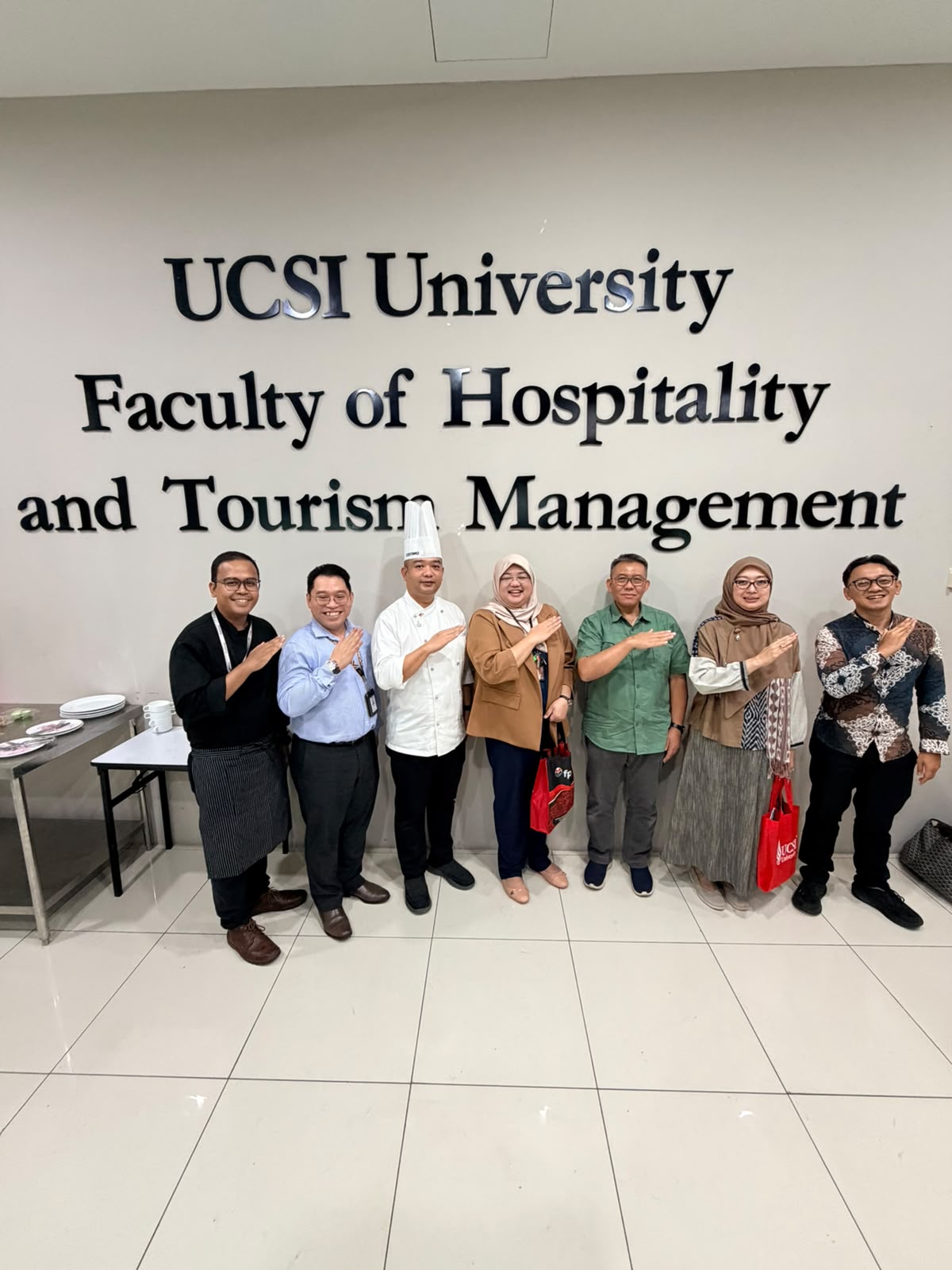
The visit brought together FPIPS academics with colleagues from Universiti Teknologi MARA (UiTM) and UCSI University for a series of symposium sessions and institutional meetings to strengthen research collaboration, academic networking, and global engagement.
A major highlight of the visit was participation in the MC Strategic Communication Forum, hosted by UiTM’s Faculty of Communication and Media Studies. The symposium served as a platform for academics across the region to discuss some of the most pressing SDG-related issues facing contemporary societies, ranging from the quality of public discourse in digital spaces to sustainability and institutional trust.
Among the presentations was “Taking Back Social Media from the Culture of Hate” by Dr. Vidi Sukmayadi, which examined the growing prevalence of hostility and polarization across digital platforms. The presentation argued that digital literacy must extend beyond technical skills to include critical thinking, ethical engagement, and responsible participation in online communities. As social media continues to shape how people access information and interact with one another, fostering healthier digital environments has become an increasingly important challenge for educators and policymakers alike.
Meanwhile, Prof. Dr. Cecep Darmawan presented “Policy Communication in Indonesia: Beyond Information Toward Trust,” emphasizing that effective governance depends not only on communicating information but also on cultivating public confidence. In an era characterized by information abundance and growing skepticism toward institutions, trust has emerged as a crucial component of meaningful public engagement and social cohesion.
Environmental and sustainability concerns were reflected in the presentation by Dr. Fitri Rahmafitria, “Communicating Safety in Tourism: Integrating Risk Awareness, Trust, and Crisis Preparedness.” Her presentation highlighted the growing importance of communication strategies that help communities, institutions, and visitors better understand environmental risks and respond effectively to crises. With tourism destinations increasingly facing climate-related, overtourism, and environmental pressures, communication is becoming a vital tool for building resilience and promoting responsible development.
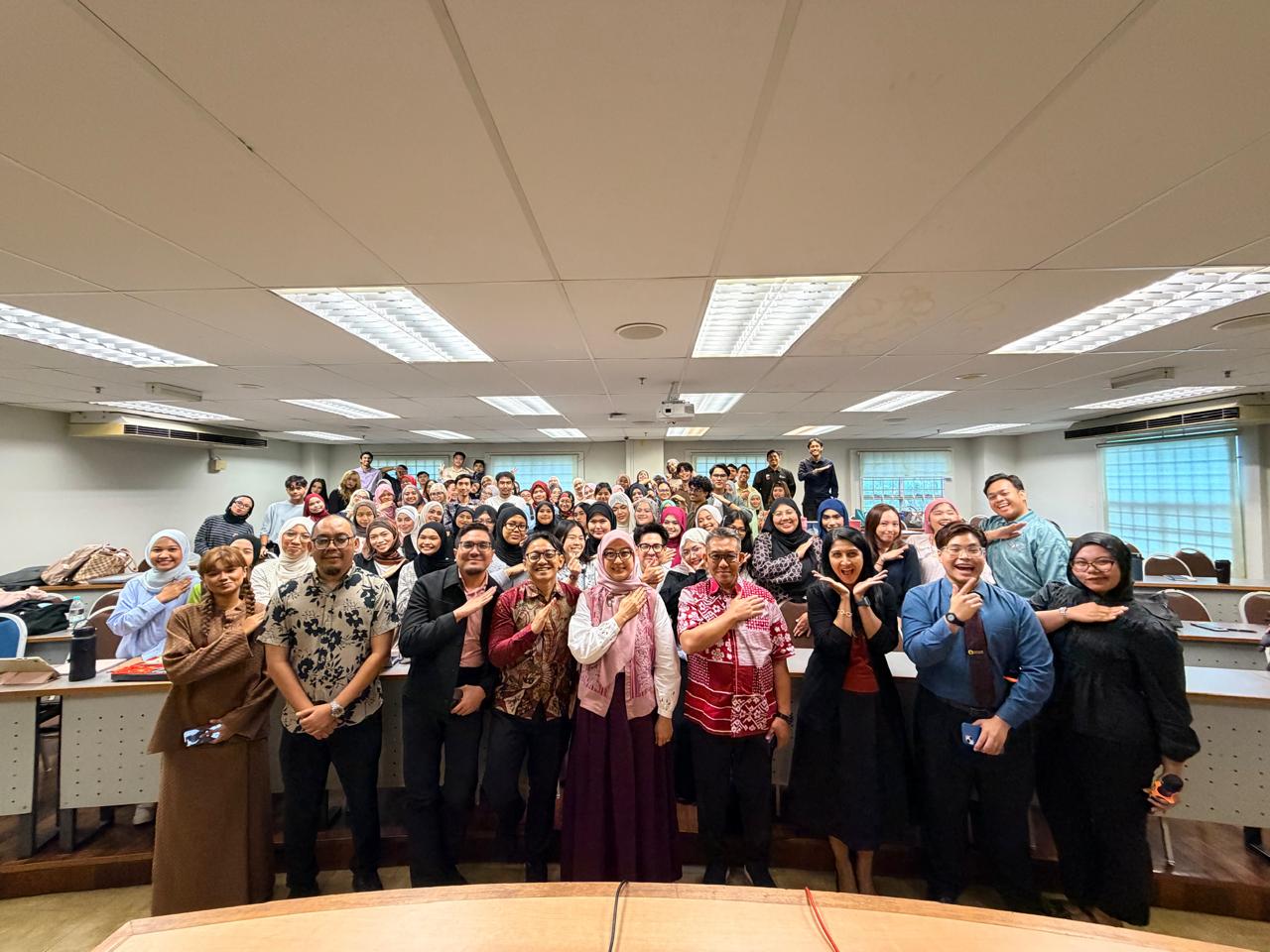
Beyond the symposium, the delegation engaged in strategic discussions with leaders from UiTM and UCSI University to explore new avenues for collaboration. Topics included joint research initiatives, international publications, faculty exchanges, and academic networking opportunities. The meetings also focused on strengthening institutional visibility and expanding global partnerships, both of which are increasingly important in today’s highly competitive higher education environment.
The discussions in Malaysia left a lingering question that extends far beyond the walls of any university: in an age defined by polarization, environmental uncertainty, and unprecedented technological change, who will help societies navigate what comes next? Increasingly, universities are being called upon not only to generate knowledge, but also to defend the quality of public discourse, foster resilience, and help communities imagine a more sustainable future. (VS)