
Manila, UPI
A series of significant educational programs have strengthened the ties between Indonesia and the Philippines, bringing together experts and educators to address critical issues in education, research, and law enforcement. Organized by the English Language and Literature Study Program, Indonesia University of Education (UPI) in collaboration with the Department of English, University of Santo Tomas (UST), the programs took place over two days (October 3-4, 2024), addressing diverse topics such as preventing language-based violence, academic publication, and investigative interviewing. The programs were also supported by the Centre for Forensic Linguistics UPI and the Philippines Association for Forensic and Legal Linguistics (PAFFL).
1. Workshop on Preventing Language-Based Violence in Schools
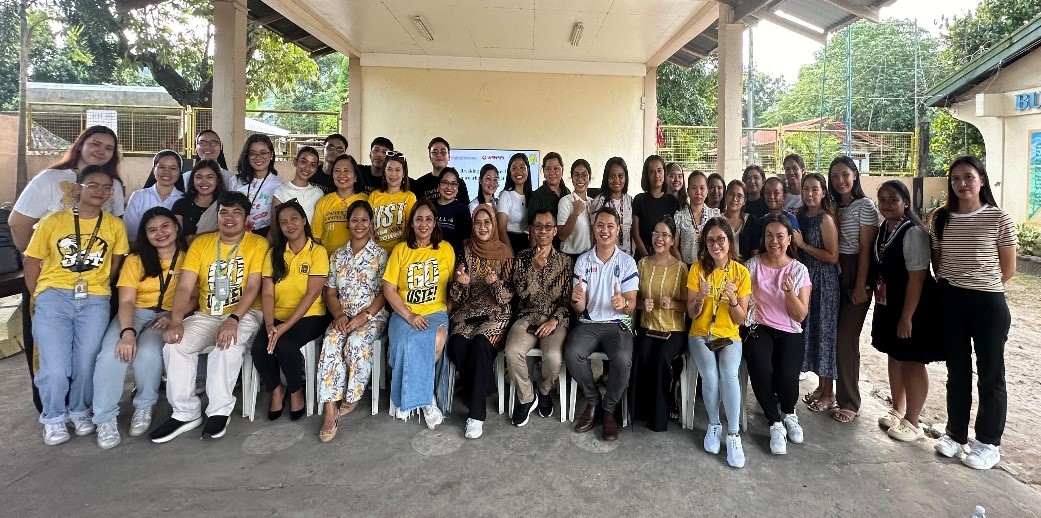
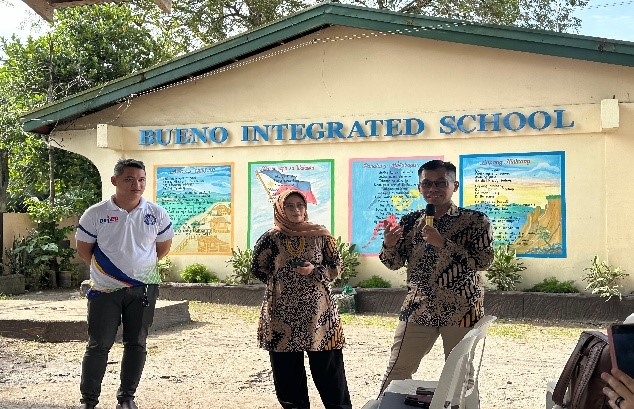
On October 3, 2024, a community service project was conducted at Bueno Integrated School in the Philippines, aimed at equipping educators with the tools to prevent language-based violence in schools. The workshop focused on fostering a safer and more inclusive school environment through positive and inclusive communication practices. Trainers from both UPI and UST, including Prof. Eri Kurniawan from UPI, led sessions attended by junior and senior high school teachers.
The three-hour session from 1:00 p.m. to 4:00 p.m. included training on identifying early signs of linguistic violence, developing intervention strategies, and promoting positive language use among students. By the end of the workshop, participants were equipped with practical skills to address bullying and harassment in schools.
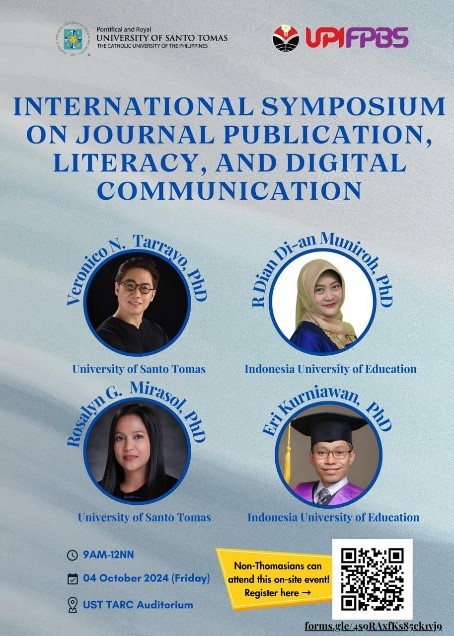
2. International Symposium on Journal Publication, Literacy, and Digital Communication
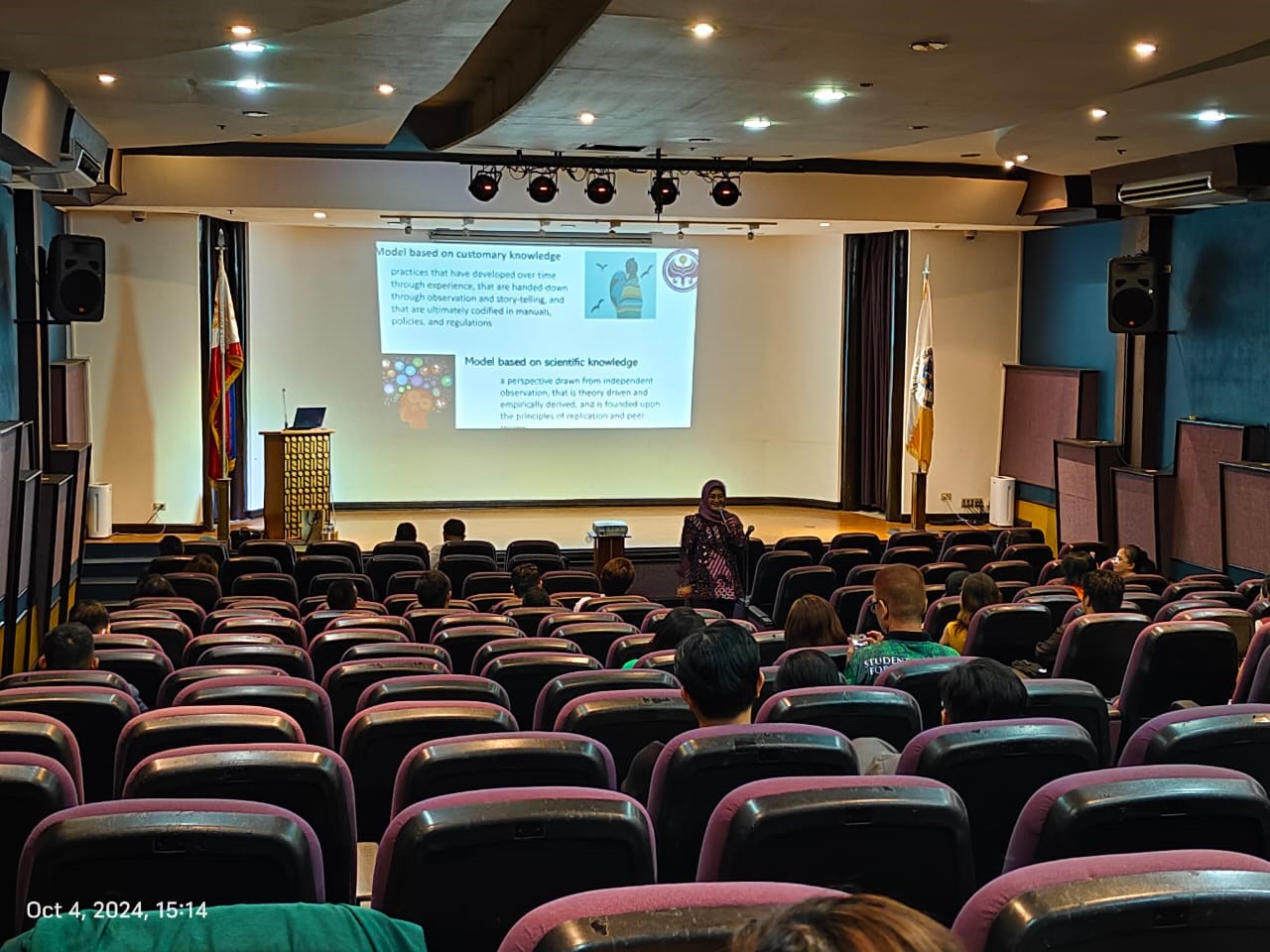
On October 4, 2024, an international symposium gathered academics and students from Indonesia and the Philippines to discuss advancements in journal publication, literacy, and digital communication. Held in a hybrid format from 9:00 a.m. to 12:00 p.m., the symposium featured four distinguished speakers: Prof. Veronico N. Tarrayo and Prof. Rosalyn G. Mirasol from UST, and Prof. Eri Kurniawan and Dr. R. Dian Dia-an Muniroh from UPI.
The symposium highlighted the importance of academic literacy and the role of digital tools in enhancing the quality of research publications. Presentations from the speakers covered the process of preparing manuscripts for reputable journals, strategies for navigating the complexities of the publication process, and the use of digital platforms for enhancing communication in academic settings.
3. Linguistically Informed Investigative Interviewing Training
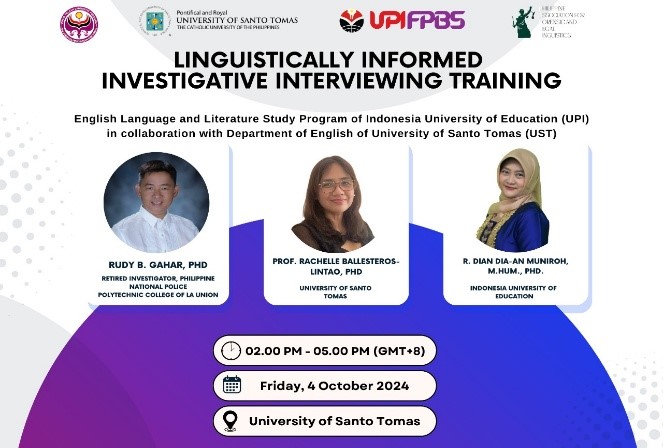
The final event on October 4, 2024, was a specialized training on investigative interviewing, focusing on the application of linguistic principles to enhance interview techniques. The session, held from 1:30 p.m. to 5:00 p.m. at the UST Postgraduate College auditorium, featured a diverse audience of police officers and academics from across the Philippines. Speakers included Rudy B. Gahar, Ph.D., a retired investigator from the Philippine National Police, Prof. Rachelle Ballesteros Lintao from UST, and Dr. R. Dian Dia-an Muniroh from UPI. They provided practical insights into how linguistic strategies can be applied in investigative contexts to improve the accuracy and effectiveness of interviews. The training emphasized the importance of understanding language dynamics when dealing with suspects and witnesses.
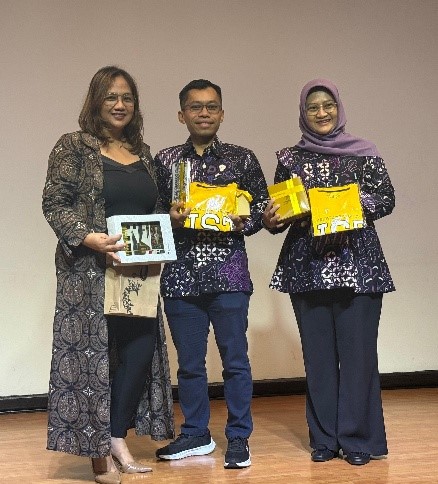
In reflecting on the success of the events, Prof. Rachelle Ballesteros Lintao of UST expressed her enthusiasm, stating, “The series of programs conducted in partnership with UPI has been a resounding success, as shown by the high turnout and overwhelmingly positive feedback from participants. These initiatives have not only addressed critical issues in education and law enforcement but have also fostered meaningful collaboration between our institutions.” She added, “We hope to continue organizing similar programs in the near future to further strengthen the ties between UST and UPI, and to continue contributing to the professional development of educators and academics in both countries.”