



BANDUNG BARAT, UPI
Universitas Pendidikan Indonesia (UPI) is ramping up its community service drive through the UPI Berdampak LIMAR (Listrik Mandiri Rakyat) program, installing two new solar panel units for low-income families in Mekarsari Village, Rongga District, West Bandung Regency. This expansion came during a hands-on monitoring and evaluation of panels already in use for the past six months, bringing sustainable light to homes long in the dark.
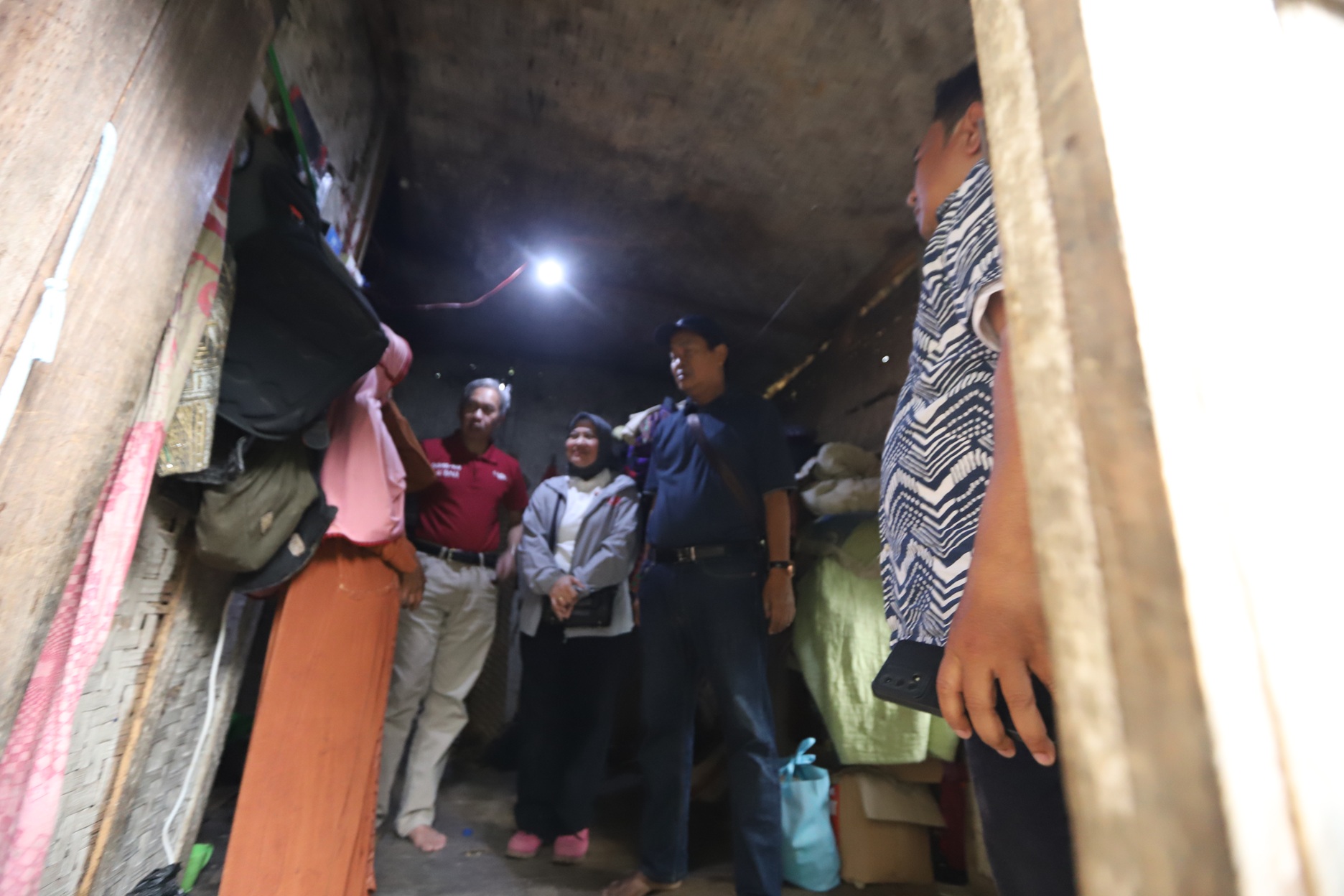
UPI Rector Prof. Dr. H. Didi Sukyadi, M.A., alongside Vice Rector for Education and Quality Assurance Prof. Dr. Vanessa Gaffar, S.E., Ak., MBA., inspected the existing setups and chatted directly with beneficiaries about the real-life transformations. The LIMAR initiative targets families without reliable electricity, delivering eco-friendly solar solutions for household lighting to spark nighttime productivity and brighter futures.
Prof. Didi emphasized maintenance for long-term reliability: “With this lighting, villagers can stay active at night and boost their productivity.” The visit also witnessed the on-site installation of the new panels and a review of living conditions, revealing homes needing urgent upgrades—prompting UPI to coordinate renovation funding with partners. Going further, UPI pledged a mosque loudspeaker to amplify the call to prayer across the area. Beneficiary Fatima shared her joy after 15 years without power: “Alhamdulillah, now we have lights—our kids can study at night.”
The event wrapped with Lebaran gift packages for recipients, underscoring UPI’s pledge to impactful community programs tackling basic infrastructure gaps through innovative tech. This initiative directly advances SDG 7 (Affordable and Clean Energy) by providing solar power access to off-grid poor households, promoting renewable rural energy. It supports SDG 4 (Quality Education) as better lighting enables children’s evening studies, and SDG 1 (No Poverty) through improved living standards, home upgrades, and productivity gains. Additionally, it embodies SDG 17 (Partnerships for the Goals) via university-community-stakeholder collaboration for sustainable rural development