



Bandung, UPI
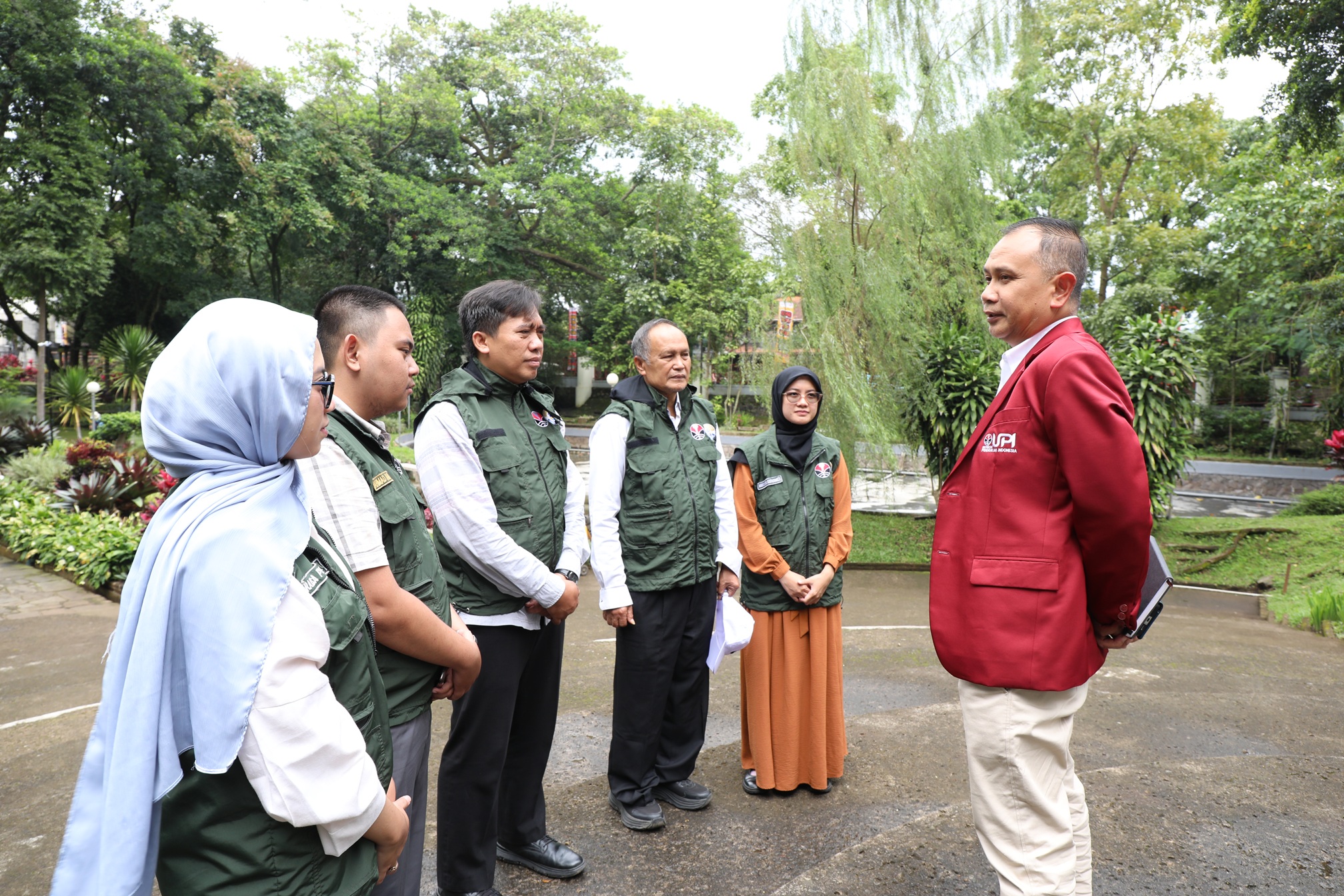
Universitas Pendidikan Indonesia (UPI) is reaffirming its commitment to humanitarian action by sending a second phase aid mission to communities affected by disaster in North Aceh Regency, Aceh. In this follow up stage, UPI is focusing on trauma healing support to assist the psychological recovery of affected communities, particularly students. The coordination and deployment ceremony took place at Taman Baretti, Jl. Dr. Setiabudhi No. 229, Bandung, West Java, on Thursday (January 29, 2026).
The Vice Rector for Research, Community Service, and Partnerships, Prof. Dr. Agus Setiabudi, M.Si., explained that UPI had previously dispatched a joint team in mid December consisting of medical personnel, trauma healing specialists, and staff from the Faculty of Physical Education and Health. The team provided medical services and psychological assistance to residents and students in disaster affected areas.
“In the initial phase, alongside medical services, we also distributed aid funded by the ministry and donations that we managed to collect. In this second phase, we see that the need for psychological recovery remains very high, while the available support is still limited,” he said.
The follow up program is being implemented in collaboration with Aceh Berdaya, an education volunteer community that is part of the Indonesia Mengajar movement. This partnership aims to strengthen trauma healing activities through direct engagement with students in several schools.
In addition, the program also involves local universities, including Universitas Malikussaleh and Universitas Jabal Ghafur, creating cross institutional collaboration to support post disaster recovery.
Prof. Agus expressed hope that the program would bring lasting positive impacts.
“We hope this accompaniment can help restore the psychological well-being of the community, especially students, so they can return to their studies and daily activities with greater ease,” he said.
At the same event, the Head of the ProDBK (Program Dosen Berkarya) Team, Prof. Dr. Nandang Rusmana, M.Pd, announced that the team would conduct a trauma healing program for communities affected by the disaster in North Aceh.
The ProDBK team deployed to the field consists of eight members: two lecturers and six trained students and alumni. Over the course of approximately eight days, they will provide psychosocial support in several targeted locations across North Aceh.
The UPI ProDBK Team will work closely with Indonesia Mengajar Aceh Berdaya, which will serve as the field partner and assist in mapping program locations and identifying community needs.
The trauma-healing program applies an Adventure Based Counseling (ABC) approach an experiential counseling method centered on adventure activities and structured games. The activities are designed in three stages: introduction, core activities, and closure, aiming to cultivate positive values and strengthen participants’ emotional resilience.
“Each activity is designed to help participants understand the disaster experience, accept reality with patience and trust, and rebuild their motivation to move forward,” explained Prof. Nandang. Through this process, participants are expected to develop resilience, the psychological strength to recover and continue life after traumatic experiences.
Furthermore, the program also seeks to encourage post traumatic growth, enabling individuals not only to recover from trauma but also to become stronger, more optimistic, and better prepared to live healthier lives without being burdened by past traumatic memories.
Through this initiative, UPI reaffirms its role as an educational institution that extends beyond academic development to actively support communities in rising and moving forward toward a better future after disaster. (Rija/DN)
In addition, this humanitarian initiative contributes to SDG 3: Good Health and Well‑Being by strengthening mental-health recovery, SDG 4: Quality Education by restoring safe learning conditions for students, and SDG 11: Sustainable Cities and Communities by building community resilience and promoting cross-sector collaboration in disaster-affected areas.