English
Indonesia

UPI Professor Mohammad Ali Delivers Keynote at International Conference in Uzbekistan

17 Apr 2026 • Humas UPI

Bandung/Chirchiq, 14 April 2026

Universitas Pendidikan Indonesia (UPI) has once again reaffirmed its position as a leading education university in Asia through the scholarly contribution of UPI Professor Prof. Dr. Mohammad Ali, M.Pd., M.A., who served as a keynote speaker at the International Scientific-Practical Conference titled “Integration of Philological and Pedagogical Research in an Innovative Educational Environment” held at Chirchik State Pedagogical University (CSPU), the Republic of Uzbekistan, on 13–14 April 2026. Officially assigned by the Rector of UPI, Prof. Mohammad Ali represented UPI’s scholarly contribution at this cross-continental academic forum, which brought together scholars from Southeast Asia, Central Asia, Europe, and the United States.

This participation reinforces UPI’s role as an internationally recognized center for educational studies. As the only Indonesian representative invited as a keynote speaker, Prof. Mohammad Ali presented UPI’s distinctive scholarly framework, one that integrates modern pedagogical paradigms with language and literature research. The contribution also reaffirms the reputation of UPI’s study programs, particularly those focusing on educational studies, curriculum, and language education, as reference points for the development of innovative education in Asia.

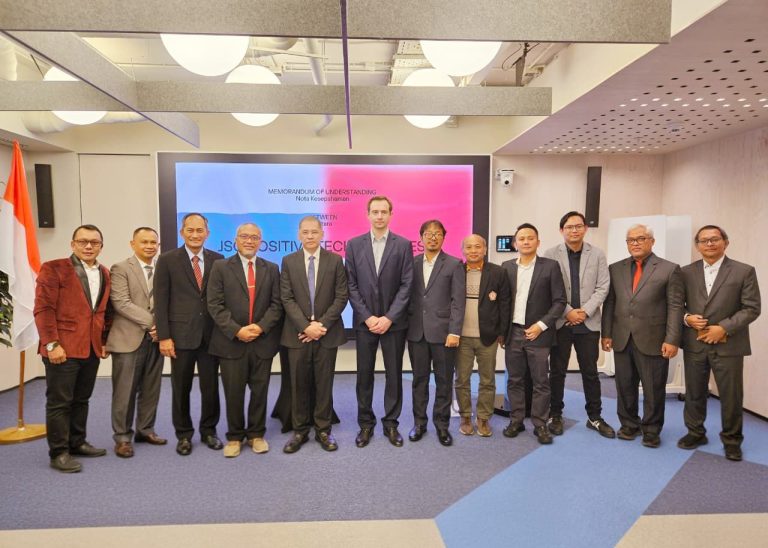
A tangible outcome of UPI’s engagement in this forum is the opening of direct academic cooperation channels between UPI and CHDPU, as well as with strategic partners from Uzbekistan, Kazakhstan, Malaysia, and the United Kingdom. The forum provides space for UPI’s study programs to explore joint research, faculty and student exchange, and joint curriculum development that enriches the implementation of the Tridharma of Higher Education. For UPI’s academic community, this achievement also serves as a gateway to internationalizing academic programs at the faculty and program levels, particularly through the development of innovative language learning and pedagogy.

Prof. Mohammad Ali’s presence in Uzbekistan aligns with the spirit of Diktisaintek Berdampak, the Ministry of Higher Education, Science, and Technology (Kemdiktisaintek) ‘s policy orientation that positions higher education, science, and technology as the engine for generating real-world impact in society. Rather than stopping at ceremonial participation, this academic diplomacy produces measurable impact through strengthened faculty capacity, the exchange of scholarly ideas, and the opening of international collaboration spaces that will be translated into academic programs at the faculty and study-program levels. This aligns with Diktisaintek Berdampak’s direction, which encourages UPI to continue producing research, innovation, and international cooperation that are both relevant to the needs of Indonesian society and that contribute to global civilization.

UPI’s participation in this international conference also contributes to the achievement of the Sustainable Development Goals (Sustainable Development Goals/SDGs), particularly SDG 4 (Quality Education) through the strengthening of cross-country research and learning innovation, as well as SDG 17 (Partnerships for the Goals) through inter-university cooperation networks across Southeast Asia, Central Asia, and Europe. The integration of philology and pedagogy, the conference theme, is also relevant to SDG 10 (Reduced Inequalities), as it encourages equitable access and quality in education through learner-centered approaches and the preservation of heritage languages.

Building on these impacts, UPI views this participation as having multi-layered strategic significance and generating several follow-up recommendations. First, the presence of a UPI professor as a keynote speaker reaffirms UPI’s reputation as a leading educational institution in Asia. It should be followed up by strengthening sustained academic diplomacy. Second, this forum opens direct cooperation channels with Uzbek universities, connections that have so far remained underdeveloped among Indonesian higher education institutions. Third, meetings with delegations from Malaysia, Kazakhstan, and the United Kingdom expand opportunities for multilateral research collaboration, making it advisable to develop faculty and student mobility programs and joint conferences as strategic, long-term follow-ups.

Integrating Philology and Pedagogy for Innovative Education

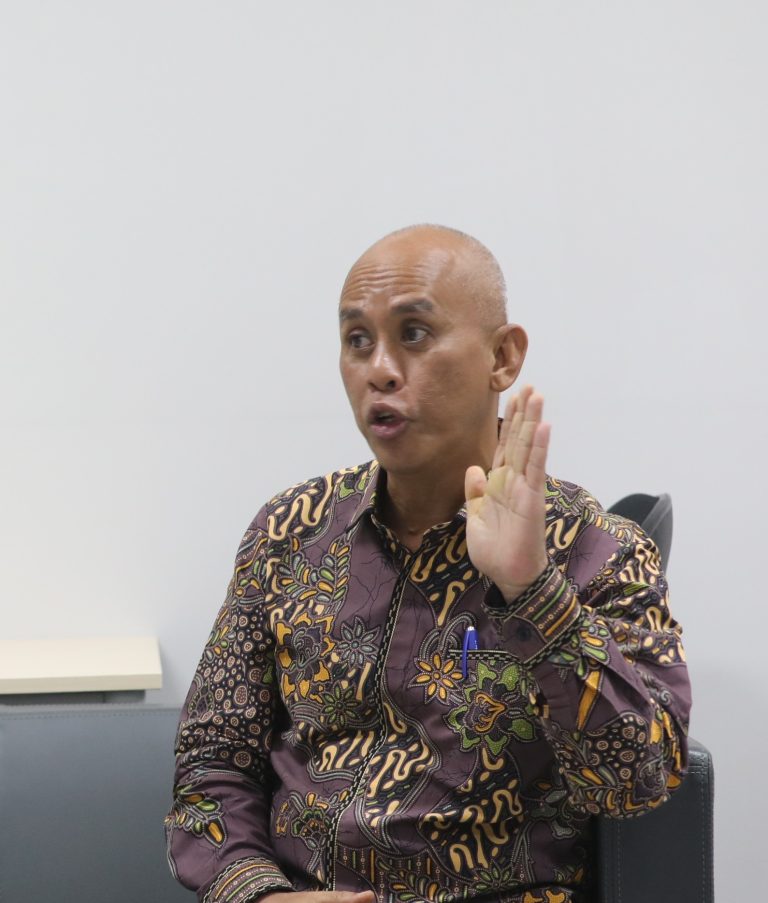
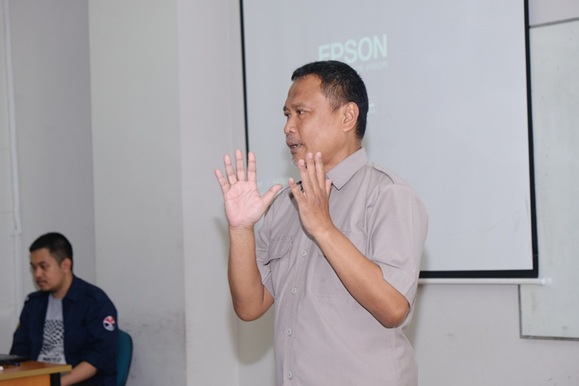
Prof. Mohammad Ali delivers the keynote address to participants of the International Scientific-Practical Conference at Chirchik State Pedagogical University, Uzbekistan, 13 April 2026.

Carrying the theme of integrating philological and pedagogical research, the conference affirmed the relevance of interdisciplinary collaboration in building an educational ecosystem that is adaptive to the demands of the 21st century. The organizers emphasized that philological studies deepen understanding of language, communication, and culture. In contrast, pedagogical studies develop effective learning methods, and the two must converge to produce learner-centered, innovation-oriented educational approaches.

On 13 April, Prof. Mohammad Ali delivered the plenary session at 10.00–10.30 Chirchiq time, with a presentation titled Integration of Philological and Pedagogical Research in an Innovative Educational Environment: Concept and Application. In addition to the plenary session, he also led a workshop session on the same day.

In his presentation, Prof. Mohammad Ali positioned philological research, which examines language, literature, and texts, and pedagogical research, which studies teaching and learning processes, as two fields whose integration is a prerequisite for designing innovative educational environments. Drawing on a pragmatic paradigm with a mixed-methods approach (mixed-methods), he emphasized that the strengths of postpositivist and constructivist traditions can complement one another when philology and pedagogy are brought together within a single dialogical framework. The presentation then mapped five concrete areas of integration: language-teaching methodology, critical thinking development, multimodal literacy, heritage-language preservation, and the use of artificial intelligence and digital humanities, complete with illustrations ranging from corpus-based academic writing instruction to AI-assisted literary analysis. In closing, Prof. Mohammad Ali offered a series of strategies interdisciplinary research team collaboration, curriculum co-design, technology integration, teacher training, and action research (action research) that universities can adopt to transform the way 21st-century learners engage with language and literature.

Program, Organizers, and Attending Officials

The conference was organized by the Department of English Language Theory and Practice, together with the Interfaculty Foreign Languages Department of the Faculty of Tourism at CHDPU, under the auspices of the Ministry of Preschool and School Education of the Republic of Uzbekistan. All sessions were held in the Conference Hall on the first floor of University Building No. 3, Faculty of Tourism, CHDPU, Chirchiq City, Tashkent Province.

Prof. Mohammad Ali’s assignment was formalized through the UPI Rector’s Letter of Assignment No. 2218/UN40/RT.02.01/2026 dated 26 March 2026, signed by the Rector of UPI, Prof. Dr. Didi Sukyadi, M.A. The host fully bore all activity costs. The formal invitation as keynote speaker was extended directly by the Rector of CHDPU, Prof. Muxamedov Gafurdjan Israilovich, Doctor of Chemical Sciences and Distinguished Scientist of Uzbekistan.

The plenary speakers featured a roster of scholars from multiple countries, including Dr. Komila Tangirova, Dr. Zulfiya Tuxtaxodjayeva, and Dr. Gulnara Maxkamova (Uzbekistan National Pedagogical University), Dr. Giuseppe Chiaramonte, Dr. Sabariah Binti Sulaiman, and Dr. Timur Pak. The conference also engaged several global strategic partners, including Universiti Pendidikan Sultan Idris (Malaysia), Auezov University (Kazakhstan), and the University of Warwick (United Kingdom).

Academic Diplomacy to the Heart of Central Asian Civilization

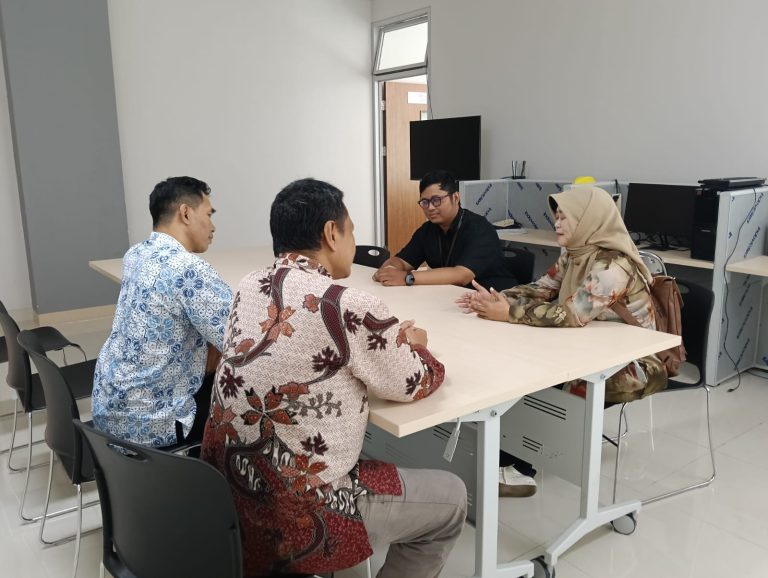
Amid the series of academic activities in Uzbekistan, Prof. Mohammad Ali also paid a courtesy call to the Ambassador of the Republic of Indonesia to the Republic of Uzbekistan, concurrently accredited to the Kyrgyz Republic, Prof. Dr. Hj. Siti Ruhaini Dzuhayatin, M.A., at the Embassy of the Republic of Indonesia in Tashkent. In this warm meeting, Ambassador Siti Ruhaini described Uzbek society as naturally pluralistic and highly open to other cultures, as reflected in the diverse ethnicities coexisting there, including Uzbek, Tatar, and Russian, as well as traces of Macedonian heritage. Indonesia shares a similar disposition toward openness, placing the two countries in a strategic position to jointly present a moderate, open, peaceful, and rahmatan lil alamin (a mercy to all creation) face of Islam amid a world currently marked by conflict. The Ambassador further introduced Uzbekistan and the Central Asian region as the New Continent. This region has completed its political consolidation and is now advancing toward comprehensive development, accompanied by a rising middle class and the development of natural and human resources, all of which open significant opportunities for Indonesia to build an equal and mutually beneficial partnership in the spirit of family. In response, Prof. Mohammad Ali underscored the importance of broadening cooperation not only in education, economy, and socio-cultural affairs, but also in science and technology, as a tangible manifestation of UPI’s academic diplomacy working in synergy with Indonesia’s diplomatic mission at the heart of Central Asian civilization.

Prof. Mohammad Ali is received by the Ambassador of the Republic of Indonesia to the Republic of Uzbekistan, concurrently accredited to the Kyrgyz Republic, Prof. Dr. Hj. Siti Ruhaini Dzuhayatin, M.A., at the Embassy of the Republic of Indonesia in Tashkent, 13 April 2026.

The program did not end in the conference hall. On 14 April, speakers and delegates were taken on an academic-cultural visit to Samarkand, one of the classical centers of Islamic scholarly civilization. The delegation visited Registan Square, the Shah-i-Zinda mausoleum complex, and Gur-e-Amir, before returning to Chirchiq in the afternoon. The visit reaffirmed Uzbekistan’s position as a historical meeting point between Eastern and Western scholarly traditions.

Prof. Mohammad Ali’s participation in the Chirchiq conference marks an important milestone in UPI’s journey toward becoming a world-class education university. Grounded in Diktisaintek Berdampak and committed to achieving the SDGs, UPI hopes that similar activities will continue to be replicated by its professors and lecturers, so that UPI’s scholarly contribution will be felt not only in Indonesian education but also across the global education landscape.

(Contributors: Diemas Arya Komara and Angga Hadiapurwa)

UPI Welcomes Four New Professors, Strengthening Academic Impact and Innovation

09 Apr 2026 • Humas UPI

Bandung, UPI

Universitas Pendidikan Indonesia (UPI) has reached another important milestone with the appointment of four new professors from different faculties and regional campuses.

The newly appointed professors are Dr. rer. nat. Nandi, S.Pd., M.T., M.Sc. Regional Planning Geography (FPIPS); Dr. Dadi Rusdiana, M.Si. Optoelectronic Materials Physics (FPMIPA); Dr. Bambang Abduljabar, M.Pd. Physical Education and Sports Pedagogy (SPs); and Dr. Indra Safari, M.Pd. Table Tennis Instruction (UPI Sumedang Campus).

Their official appointments were marked in a ceremony led by UPI Rector, Prof. Didi Sukyadi, M.A., together with the Chair of the Professors’ Council, Prof. Dadang Sunendar, M.Hum., and was attended by the vice rectors and deans. The event took place on Friday (February 6) at the Partere Building Meeting Room, Jl. Dr. Setiabudhi No. 229, Bandung.

The rector, Prof. Didi Sukyadi M.A stated “The addition of these professors is seen as a source of renewed energy for UPI in enhancing academic productivity, particularly in the implementation of the three pillars of higher education. Professors are regarded as possessing specialized expertise that is crucial for advancing scholarship, research, and delivering tangible contributions to society.”

“Professors play a strategic role, as their expertise and knowledge are highly needed not only for academic development, but also for providing solutions to various challenges faced by society, the nation, and the state,” stated the UPI Rector.

With the addition of these professors, UPI is optimistic about further improving its institutional quality and performance. While the university has already met its minimum professor ratio, it continues to aim higher.

“We hope to have even more professors in the future, because each one contributes to greater research output and broader impact,” he added.

This development also reflects a growing number of lecturers holding doctoral degrees, as a PhD is a key requirement for becoming a professor. To support this progress, UPI continues to encourage its academic staff through various initiatives, such as collaborative research programs, increased funding opportunities, and incentives for publishing in high impact journals.

These efforts are designed to appreciate and motivate all lecturers both professors and non-professors, to actively contribute to high quality research and innovation.

Through this continuous development, UPI aims to strengthen its position as a leading university that not only excels academically but also contributes meaningfully to society. (Rija/DN)

This milestone also supports the achievement of SDG 4 by improving teaching quality, expanding research contributions, and fostering faculty development ultimately promoting inclusive and high-quality education for sustainable development.

UPI’s “Prodbk” Team Brings Hope Through Humanitarian Aid in North Aceh Flood Recovery

09 Apr 2026 • Humas UPI

North Aceh, UPI

The Program for Talent and Creativity Development (Prodbk) team from Universitas Pendidikan Indonesia (UPI) carried out a series of trauma healing activities for children affected by the floods in North Aceh. The program, known as Adventure Based Counseling (ABC), was led by Prof. Dr. Nandang Rusmana, M.Pd., and involved faculty members, alumni, and students from UPI’s Guidance and Counseling field.

On Saturday, January 31, 2026, the team visited Dusun Pasi, Muara Batu, where around 150 children from early childhood to teenagers took part in collaborative learning sessions. Working together with FKIP Universitas Malikussaleh (Unimal) and Rangkang Pustaka, the activities included coloring, educational games, an introduction to “math vaccine”, and several trauma recovery activities held in BNPB evacuation tents.

The following day, Sunday, February 1, 2026, the team reached 80 displaced families in Dusun Lhok Pungki, Gampong Gunci, Sawang Subdistrict. The sessions focused on building a sense of togetherness through group games, reflective interactions, and safe spaces for emotional sharing to help ease the trauma experienced in the camps.

On Monday, February 2, 2026, more than 50 children and teenagers in Langkahan Subdistrict participated in reflective activities conducted in an open natural setting. Through collaborative games and shared reflections, the program helped them process their emotions while also encouraging critical thinking.

The activities continued on Tuesday, February 3, 2026, at the North Aceh Regent’s Office Hall. A total of 43 volunteers from various organizations including Rangkang Pustaka, YSAP, SABIR Bireuen, Unimal, Gerakan Perempuan Aceh Utara-Lhokseumawe, and Ikatan Bidan Indonesia (IBI)—took part in a Train-of-Trainers (ToT) session on Adventure Based Counseling (ABC). The North Aceh Regional Secretary, Jamaludin, M.Pd., was also present at the event. The training included simulations of interactive educational games such as Big Circle, “Shake Hand,” Rumah Kangguru,” “How Long How High,” “Alligator Alley,” “Traffic Jam,” and “Pyramid.”

All activities were carried out using a structured approach consisting of four stages: beginning (building a sense of safety), transition (helping participants adapt to the group), working (strengthening coping skills), and termination (reflecting on experiences).

The field team included Prof. Nandang Rusmana, Dr. Aam Imaddudin, M.Pd., Ahmad Zaky Firsa, S.Pd., and Adri Mochammad Ihsan, S.Pd., along with student volunteers Khalila Ainul Fathiyah, Nur Syifa Kuranawati, Raisa Putri Listiawati, and Azmi Fauzan Rabbani.

In addition, the team conducted a game based counseling workshop at UIN Sultanah Nahrasiyah Lhokseumawe, which was marked by the signing of a Memorandum of Agreement (MoA) between UPI and the university.

Prof. Nandang Rusmana emphasized that education and psychosocial support play a crucial role in post-disaster recovery. He noted that this collaboration reflects UPI’s strong commitment to supporting communities affected by the North Aceh floods. With support from the local government and BNPB, the program not only provides meaningful learning experiences but also helps restore a sense of safety for children.

Amid the difficult memories left by the disaster, moments of laughter and joy have begun to return bringing renewed hope for a stronger and more resilient North Aceh. (Kontributor: Aam Imaddudin)

Moreover, this initiative contributes to SDG 3 (Good Health and Well-Being) by supporting mental health recovery, SDG 4 (Quality Education) through continued learning in crisis situations, and SDG 11 (Sustainable Cities and Communities) by promoting resilience and collaboration in disaster response.

UPI Expands Global Reach Through Academic Partnership with Indiana University

09 Apr 2026 • Humas UPI

Bandung, UPI

Universitas Pendidikan Indonesia (UPI) continues to strengthen its presence on the global stage through a strategic academic partnership with Indiana University in the United States. The collaboration was officially marked by the signing of a Memorandum of Academic Collaboration (MoAC) between the two institutions. Monday, February 2, 2026.

The agreement was signed by Dr. Ipah Saripah, M.Pd., Head of the Guidance and Counseling Study Program at UPI’s Faculty of Education, representing Universitas Pendidikan Indonesia, alongside Dean Robert Q. Berry III from Indiana University’s School of Education.

This partnership is expected to open up wider opportunities for academic collaboration, including cross-program and cross-faculty initiatives between the two universities. Representatives from Indiana University also expressed their appreciation for UPI, noting its strong academic foundation and long-standing reputation in education, guidance and counseling, and human development.

UPI’s identity as a university dedicated to education is seen as a strong foundation for building long-term, meaningful, and sustainable global partnerships.

More importantly, this collaboration goes beyond a formal agreement. A number of concrete programs are already being planned, such as faculty and student exchanges to broaden cultural and academic perspectives, joint research on current global education issues, as well as collaborative academic events like seminars and international workshops. These initiatives are also designed to strengthen the tridharma of higher education teaching, research, and community service.

Through this partnership, UPI aims to continue growing as a globally connected institution while contributing to the advancement of education on an international scale.

In addition, this initiative supports SDG 4 (Quality Education) by expanding academic mobility and international research collaboration, as well as SDG 17 (Partnerships for the Goals) by strengthening cross-border cooperation and global knowledge exchange. (DN)

Boosting Teacher Competence, UPI and Korean Astronomy Society Hold International Astronomy Workshop

09 Apr 2026 • Humas UPI

Bandung, UPI

The Science Education Study Program at the Faculty of Mathematics and Natural Science Education (FPMIPA), Universitas Pendidikan Indonesia (UPI), has launched an international Astronomy Workshop in collaboration with the Korean Astronomy Society (KAS). The program is designed for science and physics teachers, as well as undergraduate to doctoral students in Science Education.

Held over three days from February 2 to 4, 2026, the workshop serves as a continuation of the ongoing partnership between FPMIPA UPI and the Korean astronomy community. It focuses on strengthening teachers’ pedagogical and professional skills through practical, hands on approaches to teaching astronomy.

The event was officially opened by the Vice Dean for Academic Affairs of FPMIPA UPI, Prof. Dr. Al Jupri, S.Pd., M.Sc., Ph.D. In his remarks, he expressed his deep appreciation to the KAS team for coming in person to share their expertise.

“We hope that this collaboration with KAS will not be limited to this training, but will continue through other activities in the years to come,” said Prof. Al Jupri.

The workshop brought together five experts from leading institutions in South Korea, along with a postgraduate student. They included Professor Myeong-Gu Park (Kyungpook National University), Professor Jungjoo Sohn (Korea National University of Education), Hyeondong Jang (Manager of the National Youth Space Center) Sungju Jang (Assistant Manager of the National Youth Space Center), as well as Wulandari Mizwala Aulia (Master’s student at Chungbuk National University).

Throughout the three days program, participants took part in a variety of engaging sessions. The first day introduced the history of the universe and the role of astronomy in science education. Participants also had the opportunity to observe the sun directly using telescopes and build simple DIY spectroscopy tools.

On the second day, the workshop shifted toward modern astronomy, including the use of web based programming tools for multi-wavelength analysis. Participants explored more technical topics such as rocket stability and basic programming for rover systems.

The final day featured an interactive Lander Design Workshop. One of the highlights was a session titled “Astronomy as a Gateway to Global Goals,” delivered by Wulandari Mizwala Aulia, which highlighted how astronomy can contribute to broader global development goals.

Participants showed strong enthusiasm and active engagement throughout the workshop, reflecting its potential to equip educators with more practical and engaging ways to teach astronomy in schools. (DN)

This initiative supports SDG 4 (Quality Education) by strengthening teacher competence and improving science learning methods. It also contributes to SDG 9 (Industry, Innovation and Infrastructure) and SDG 17 (Partnerships for the Goals) through international collaboration and the integration of digital tools in astronomy education.

Search