English
Indonesia

Nation and Academia on the Same Journey

09 Apr 2026 • Humas UPI

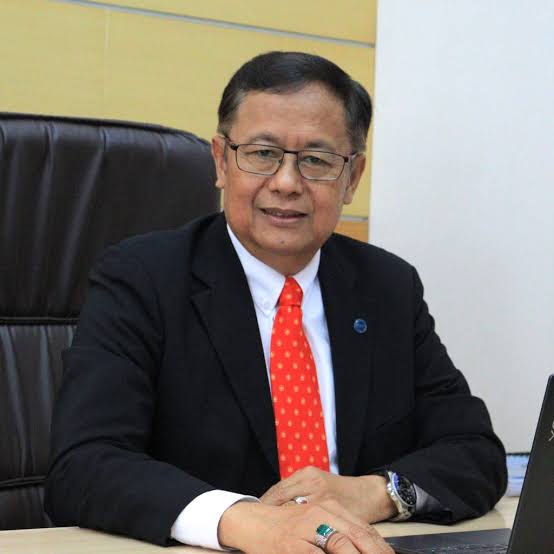
Prof. Dr. Dasim Budimansyah, M.Si

Guru Besar bidang Sosiologi Kewarganegaraan, UPI

There may be few state level forums that symbolically bring government and intellectuals together in an equal space of dialogue. The Presidential Briefing of the Republic of Indonesia on January 15, 2026, held at the Presidential Palace Jakarta, stands out as a key moment affirming that universities and professors are positioned as strategic actors in shaping the nation’s direction.

That Thursday morning, from 09:00 until around 12:30 WIB, I had the privilege of attending the Presidential Briefing of the Republic of Indonesia alongside about 1,200 leaders of state and private universities, as well as professors from across Indonesia. I am grateful to be one of the professors invited from Universitas Pendidikan Indonesia (UPI), participating in this state forum both as an academic and as a citizen.

For roughly three hours, the President of the Republic of Indonesia, Prabowo Subianto, delivered a direct and candid overview of the first year of his administration and the Red-White Cabinet, described as an initial phase of national transformation. The cabinet, inaugurated on October 1, 2024, has now been in office for more than a year, and the President framed this period as a foundational stage that will shape Indonesia’s future trajectory.

The President reviewed achievements and developments in many strategic sectors, including human development and culture, community empowerment, infrastructure and territorial planning, food security, the economy and state finance, national development planning, bureaucratic reform, politics and security, law and human rights, and foreign policy. From my perspective, this overview was not merely a list of accomplishments, but rather a comprehensive picture of the state’s work highlighting both what has been achieved and what still requires improvement.

What struck me most was the President’s openness in acknowledging the real challenges Indonesia continues to face. Budget leaks, under invoicing practices, corruption that has not yet been fully eliminated, and an increasingly uncertain global geopolitical situation were all addressed candidly. There was no attempt to conceal these issues. Instead, the transparency conveyed a clear seriousness in the government’s commitment to reform.

Amid this presentation, a question may have arisen in the minds of many participants: why invite university leaders and professors? The President’s response was clear and meaningful. University leaders and professors are viewed as part of the nation’s academic elite, a strategic group expected to generate ideas that both guide and critically accompany the course of national development.

Representing Universitas Pendidikan Indonesia (UPI), the forum was attended by Prof. Dr. Didi Sukyadi, Rector of UPI; the deans of FPIPS, FPSD, and FPBS; Prof. Dr. Dadang Sudana; and two Special Staff to the Rector. Their presence reflects the university’s commitment to actively engage in strategic dialogue between the state and the academic community.

For me personally, the invitation felt like both a moral and intellectual call. The academic world, in my view, should not remain confined to an ivory tower. Knowledge, research, and ideas must enter policy spaces so that development truly leads to public welfare and social justice.

As a Professor of Civic Sociology and Director of GCC Indonesia, Prof. Dr. Dasim Budimansyah interprets the Presidential Briefing not merely as a ceremonial state event. Rather, it represents a symbolic space of dialogue between the state and intellectuals, and a clear signal that Indonesia’s future requires political courage supported by academic clarity.

Leaving the palace that afternoon, one conviction became even stronger: Indonesia can move forward only when the state and universities walk side by side strengthening one another, offering reminders when necessary, and consistently aligning with the interests of the people. This reflection is shared not only as a personal account, but also as a reminder that behind every state policy there remains space for all of us, especially academics to contribute and help safeguard the nation’s path.

Moreover, this reflection supports SDG 4: Quality Education by emphasizing the role of universities and professors in shaping informed and ethical leadership; SDG 16: Peace, Justice and Strong Institutions through the call for transparency, accountability, and evidence-based policymaking; and SDG 17: Partnerships for the Goals by highlighting the need for strong and constructive collaboration between government and the academic community in advancing national development.

Prof. Eka Cahya Prima, Indonesia’s Youngest Physics Professor, Aims to Build a Renewable Energy Excellence Center

09 Apr 2026 • Humas UPI

Bandung, UPI

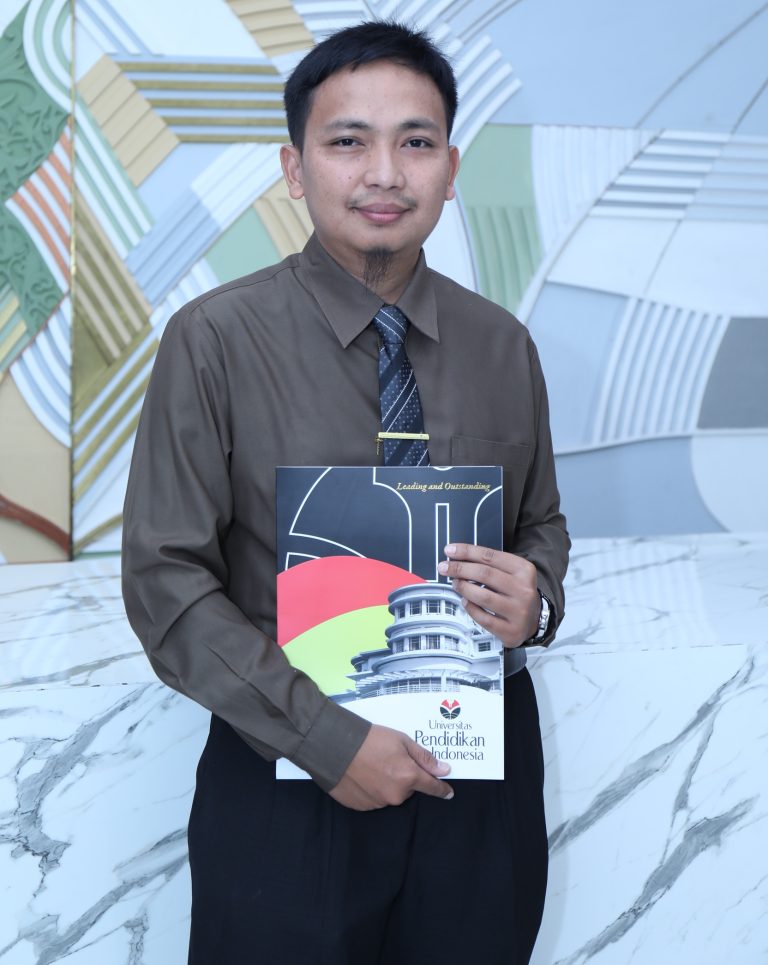
Universitas Pendidikan Indonesia (UPI) has reached another academic milestone with the appointment of Dr. Eka Cahya Prima, S.Pd., M.T., as a professor in materials physics for energy. With this achievement, Prof. Eka is recognized as one of the youngest professors in Indonesia in the field of physics. The official handover of his Professor Decree (SK Guru Besar) took place at the Partere Meeting Room, Jl. Dr. Setiabudhi No. 229, Bandung, West Java, on Wednesday, January 7, 2026.

Prof. Eka expressed his gratitude for the appointment and appreciation for the university’s consistent support for his research. “Alhamdulillah, I would like to thank Universitas Pendidikan Indonesia for providing full support for our research, both in terms of funding, workspace, and laboratory facilities,” he said.

Currently, Prof. Eka is actively developing research on solar-cell materials and renewable energy through the Solar Energy Materials Laboratory within the Physics and Science Education Study Programs at UPI, covering academic levels from undergraduate (S1) to doctoral (S3). The laboratory has become an important hub for renewable energy research at UPI and facilitates collaboration across institutions.

His research group has established partnerships with several national universities and research institutions, including Badan Riset dan Inovasi Nasional (BRIN), Institut Teknologi Bandung (ITB), Universitas Padjadjaran, and Institut Teknologi Sepuluh Nopember (ITS), as well as other universities across Java. The laboratory has also hosted collaborative research activities and visits from Universitas Sriwijaya and Universitas Gadjah Mada in the development of solar cells and material synthesis and characterization services.

Research outputs from Prof. Eka and his team have been published in internationally recognized journals such as Advanced Energy Materials (Wiley) and ACS Nano Materials. Several of these research findings have already reached the commercialization stage, contributing to the advancement of renewable energy technology in Indonesia.

Looking ahead, Prof. Eka aims to strengthen the establishment of a University Level Center of Excellence in renewable energy at Universitas Pendidikan Indonesia. In addition to research development, he is committed to promoting sustainable science education through the Education for Sustainable Development Goals (ESDG) framework and the ongoing STEM education strengthening program, which has been implemented at UPI over the past three years.

Throughout his academic journey, Prof. Eka has emphasized the importance of teamwork. He acknowledged the contributions of lecturers, researchers, and students within his research group, which currently includes around 27 students from different academic levels and universities across Indonesia. Support from UPI’s leadership from the Rector to faculty deans also played a significant role in the smooth process of his professorship appointment.

Prof. Eka hopes that his achievement will inspire young lecturers and researchers to continue producing impactful work, building collaborations, and contributing to the advancement of science and the nation particularly in the fields of renewable energy and science education.

In addition, this story supports SDG 7: Affordable and Clean Energy through advanced research on solar cells and renewable-energy systems, SDG 4: Quality Education by strengthening sustainable science and STEM education, and SDG 9: Industry, Innovation and Infrastructure by fostering innovation, commercialization, and cross-institution collaboration in science and engineering. (Rija)

Open Visit UPI 2026 Registration Officially Opens

09 Apr 2026 • Humas UPI

Bandung, UPI

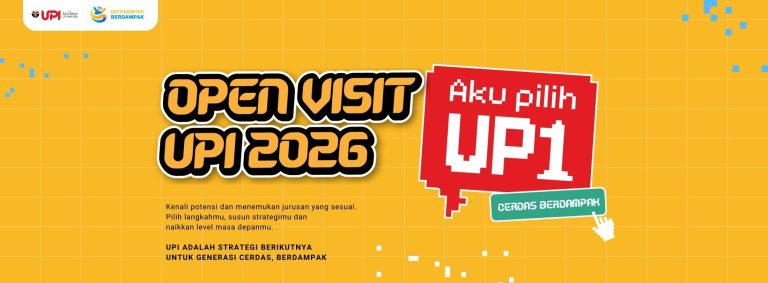
Universitas Pendidikan Indonesia (UPI) has officially opened registration for Open Visit UPI 2026: “Aku Pilih UPI!”, on Tuesday afternoon, January 13, 2026. The event is part of the 2026 National Selection for New Student Admissions (SNPMB) socialization, aiming to provide prospective participants with a clearer understanding of program study options and the academic environment at UPI.

Following its successful implementation last year, Open Visit UPI returns in 2026 to expand information outreach and educational services for prospective students and the wider public. The event offers insights into study programs, admission capacity, and graduate profiles at Universitas Pendidikan Indonesia.

Open Visit UPI 2026 will take place on Saturday, January 31, 2026, from 08:00 to 16:00 WIB, at the UPI Gymnasium and across the faculties within the UPI Bumi Siliwangi Campus in Bandung. The program will feature an education fair, educational talk sessions, consultation services, art performances, and guided visits to various faculties.

“Through Open Visit UPI 2026, we hope the public—especially prospective students—can gain a comprehensive understanding of the academic environment, study programs, and educational services at Universitas Pendidikan Indonesia,” said Vidi Sukmayadi, S.S., M.Si., Ph.D., Head of the Office of Communication, Information, and Public Services (KKIPP UPI).

Registration is conducted online through the official page:
https://humas.upi.edu/open-visit/

Participants can choose their category (student, teacher, or parent), complete their registration details, select a session, and download a ticket and barcode as entry access to the event. Each participant category has a limited quota. (CS)

BESA UPI Hosts 2025 Speech Contest to Sharpen Students’ Public Speaking Skills

09 Apr 2026 • Humas UPI

Bandung, UPI

The Business Education Student Association (BESA) of Universitas Pendidikan Indonesia (UPI) has officially launched the Speech Contest 2025. This English-language competition is specifically designed to bolster students’ communication skills, critical thinking, and self-confidence. Held virtually via Zoom Meeting, the event attracted participants from Bandung and its surrounding areas.

The Speech Contest 2025 serves as a premier platform for students to articulate their ideas and perspectives in a logical, systematic, and persuasive manner using English. Beyond just speaking, the competition is structured to sharpen participants’ analytical skills and argumentative prowess.

The competition followed a rigorous selection process, beginning with registration and technical briefings to ensure all participants understood the mechanisms and technical requirements. Following this, contestants submitted video recordings of their speeches based on predetermined themes for preliminary judging.

The journey culminated in a structured Grand Final. The final event opened with remarks from the Chairperson of the Organizing Committee, the Head of the Business Education Study Program, and the BESA UPI Advisor. A highlight of the ceremony was a keynote speech titled “Future Leaders, Powerful Voices,” delivered by the judging panel to reinforce the educational value of the competition.

During the Grand Final, the dewan juri (judging panel) evaluated the finalists’ video submissions based on a specific set of professional criteria, including mastery of the material, delivery structure, and accuracy of English language usage. Additionally, contestants were judged on their ability to convey messages in a communicative, convincing, and persuasive manner.

The event concluded with the official announcement of the winners, the distribution of certificates and awards to both participants and judges, and a collective documentation session. Through this Speech Contest 2025 initiative, BESA UPI actively encourages students to sharpen their English communication skills as a vital asset for competing in academic and professional environments at both the national and international levels.

Moreover, this initiative directly supports SDG 4: Quality Education. By providing a platform for skill development outside the traditional classroom, the contest ensures that students acquire the necessary communication and critical thinking skills required for lifelong learning and professional success. Furthermore, it aligns with SDG 17: Partnerships for the Goals, highlighting the collaborative effort within the university ecosystem to achieve educational excellence. (Ajeng)

BESA UPI Holds BE Islamic Festival 2025 to Strengthen Youth Faith

09 Apr 2026 • Humas UPI

Bandung, UPI

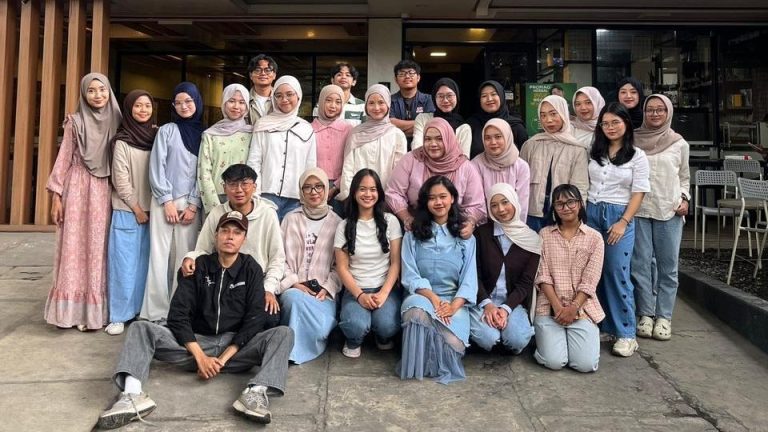
The Business Education Student Association (BESA) of Universitas Pendidikan Indonesia (UPI), also known as Himpunan Mahasiswa Pendidikan Bisnis, organized the BE Islamic Festival (BIF) 2025 on Saturday, November 22, 2025, at Masjid At-Taqwa KPAD in Bandung. The event was attended by UPI students as well as members of the wider community, aiming to strengthen religious values and encourage the creativity of young Muslim generations.

Carrying the theme “Pillars of Faith, Echoes of Joy” with the tagline “Strengthen Faith, Discover Your Path,” the festival was designed as a space for spiritual and social development amid the pressures and dynamics of modern youth life, including social stress and the fast paced realities of contemporary society.

One of the main highlights of BIF 2025 was an Islamic seminar and outreach session delivered by Ustaz Ruslan Abdul Gani, S.Pd., M.Pd. In his presentation, he emphasized that faith serves as a strong foundation for facing life’s challenges, encouraging participants to deepen their relationship with God and maintain a clear sense of purpose so they are not easily influenced by social pressures.

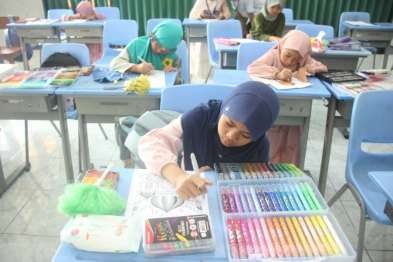
In addition to the seminar, the festival also featured several Islamic themed competitions, including an Islamic Digital Poster Competition for senior high school students (SMA/SMK/MA) and an Islamic Coloring Competition for elementary school students. These activities were intended to introduce Islamic values through creative expression and to provide positive outlets for participants from an early age.

To strengthen the social and economic dimension of the event, BESA UPI also held “The Warmth and Cheerfulness of Al-Hambra Bazaar,” a bazaar involving micro, small, and medium enterprises (UMKM) run by students and community members. The bazaar served as a platform for promoting products while also creating a lively space for social interaction and shared celebration throughout the festival.

Through BE Islamic Festival 2025, BESA UPI combined religious outreach, creative expression, and social empowerment, demonstrating the role of students in fostering a spiritual, inclusive, and community oriented campus and society. (RK)

Search